
varda's blog
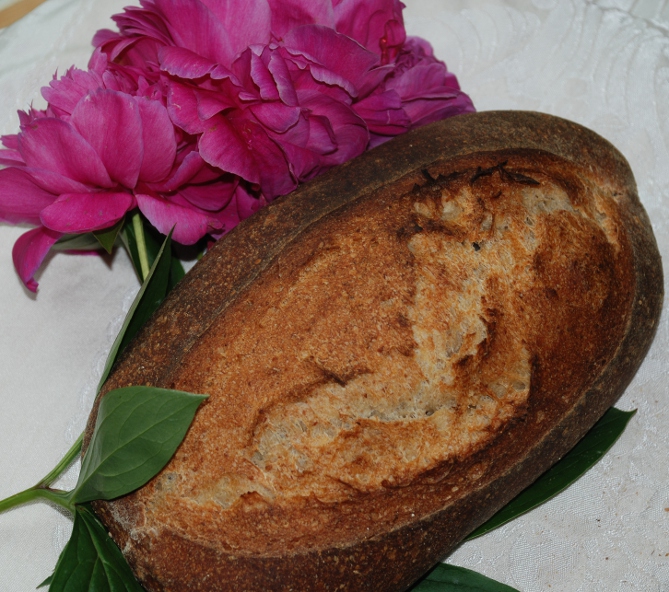
Pain Au Levain with Whole Wheat Pastry Flour
The other day, I accidentally picked up the wrong flour. I thought I was grabbing the Bob's Red Mill White flour but instead ended up with BRM whole wheat pastry flour. I'm not much for making pastry and the whole concept of whole wheat pastry eludes me, so I decided to try this flour in yet another variation on the pain au levain I've been experimenting with for the last few months. On my first try I used the pastry flour as 12% of the total flour with 87% White flour and 1% rye from the starter. The bread came out
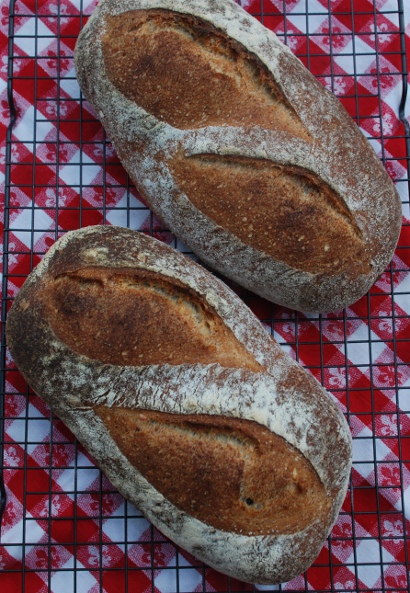
Andy's Pain Au Levain with Light Rye
Recently Andy posted on his Pain Au Levain with Light Rye. http://weightloss-slim.fit/node/23199/pain-au-levain-light-rye-flour%3C/a%3E%C2%A0 His formula was quite similar to something I had tried awhile ago http://weightloss-slim.fit/node/22372/sourdough-white-rye%3C/a%3E with a major difference: the percentage of fermented flour, which was more than double what I had used (33.3% rather than 16%). I decided to try Andy's approach. I followed his directions with the fo
- Log in or register to post comments
- 20 comments
- View post
- varda's Blog
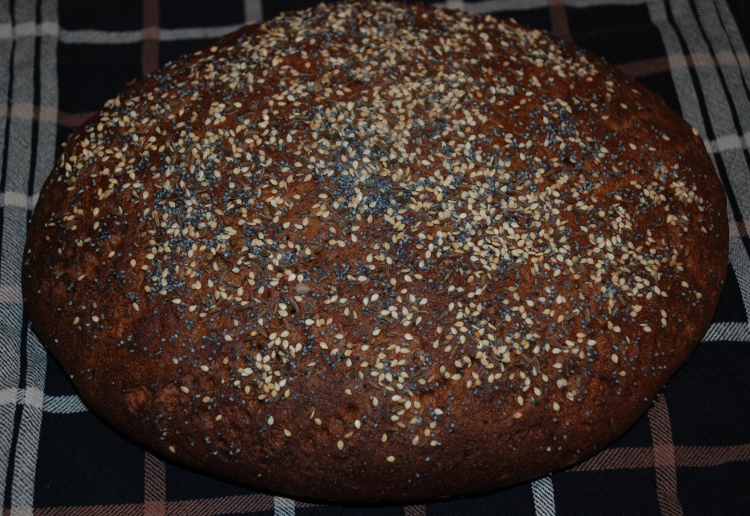
Fun with Matzo
Matzo has two ingredients - flour and water. It is supposed to be baked not more than a couple of minutes after adding the water to the flour. It's not supposed to rise at all so it has to be pricked. When you put all that together you get a very, very easy recipe. And yet, I've never tried to make it before. Passover starts tomorrow night. Matzo has two identities. One, it is supposed to be the extremely quick travel bread that the Jewish slaves slapped together for the road when they were in su

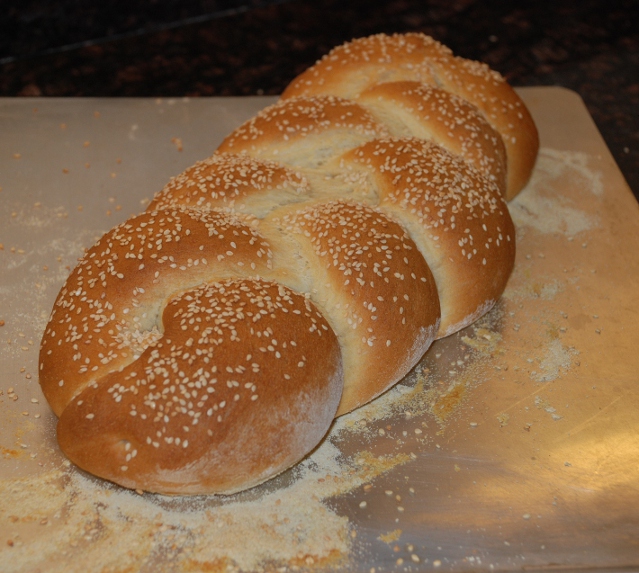
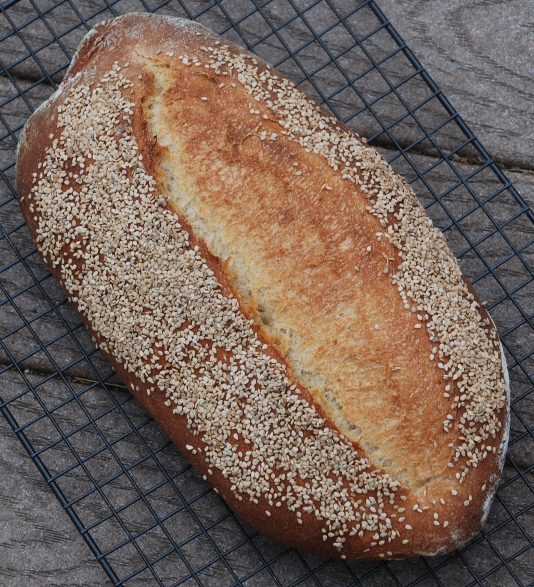
Pain Au Levain - can't steam the oven too much
A recent blog post made me sit up and take notice. http://weightloss-slim.fit/node/22954/getting-grigne-observation%3C/a%3E shows two loaves; one made with steam at the beginning of the bake, the second steamed later in the process. The first one looks better by a lot. Lately I've been making batards with two cuts. The most frequent outcome is that one of the cuts opens nicely and takes most of the bloom of the loaf, and the second opens a bit, and then seals over. In trying to diagnose